



In the gentle embrace of life’s later years, when the days slow down and the world grows a little quieter, the heart still beats with a longing for connection. It’s in these golden chapters that the essence of human bonds becomes not just a source of joy, but a lifeline. Imagine a garden where every flower, though mature, blossoms more beautifully with the touch of a caring hand and the warmth of the sun. So too do our seniors thrive when nourished by the vibrant energy of social interaction. In this article, we delve into the compelling reasons why staying social is not merely a pastime for the elderly, but an essential ingredient for their health and well-being. Through stories and insights, we explore how companionship and community can light up the twilight years, transforming them into a time of renewed vitality and purpose. Join us on this journey of understanding, where empathy and connection weave together to reveal the profound impact of social engagement on senior health.
The Heartbeat of Connection: How Social Engagement Fuels Vitality in Seniors
In the golden years of life, social engagement emerges as a vibrant tapestry woven with threads of laughter, shared stories, and mutual support. For seniors, maintaining active social connections is more than a delightful pastime; it is a crucial element that fuels their vitality. Studies have shown that seniors who regularly engage with friends and family experience improved mental health, reduced stress, and a stronger sense of purpose. The benefits are not merely emotional; they extend to physical well-being, helping to lower blood pressure and enhance immune function.
How can seniors nurture these vital connections? Consider these avenues:
- Community Groups: Joining clubs or interest groups fosters camaraderie and creates a sense of belonging.
- Volunteering: Sharing time and skills not only benefits the community but also provides a profound sense of fulfillment.
- Technology: Embracing digital tools can bridge geographical gaps, allowing for video calls and social media interactions.
- Hobbies: Engaging in shared activities like gardening or painting can spark conversations and friendships.
Each connection forms a heartbeat, a reminder that no one is alone on their journey. Through these bonds, seniors can thrive, their lives enriched by the simple yet profound act of staying social.
Unraveling the Mind: The Cognitive Benefits of Staying Social in Later Years
In the golden years, maintaining an active social life isn’t just a pleasant pastime—it’s a vital ingredient for cognitive vitality. Engaging with others stimulates the brain, much like a workout for the mind, promoting the formation of new neural pathways and preserving mental acuity. As we age, the brain’s plasticity—its ability to adapt and grow—relies heavily on interaction and conversation. This engagement not only sharpens memory but also enhances problem-solving skills, contributing to overall mental wellness.
Moreover, social connections serve as a protective buffer against cognitive decline and mood disorders. Staying socially active can reduce the risk of dementia and depression by fostering a sense of belonging and purpose. Consider these ways to enhance social engagement:
- Join a club or group: Whether it’s a book club, gardening group, or a walking club, these activities provide regular opportunities for interaction.
- Volunteer: Offering your time and skills not only helps others but also provides a fulfilling way to stay connected.
- Embrace technology: Use video calls and social media to stay in touch with distant friends and family.
By weaving social interactions into the fabric of daily life, seniors can nurture their minds and spirits, ensuring a vibrant and fulfilling journey through their later years.
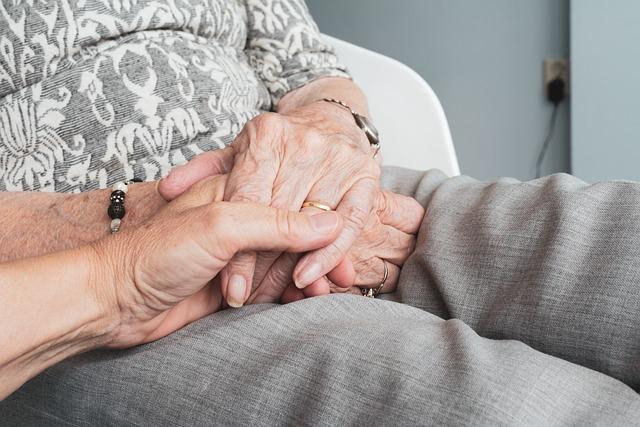
From Isolation to Involvement: Strategies to Foster Meaningful Senior Interactions
As we journey through life, the importance of nurturing connections grows ever more crucial. For seniors, transitioning from isolation to involvement can be a transformative experience, unlocking a treasure trove of emotional and physical benefits. Here are some thoughtful strategies to help cultivate these meaningful interactions:
- Community Engagement: Encourage participation in local clubs or groups that align with their interests. Whether it’s a book club, gardening group, or art class, these activities offer a sense of belonging and shared purpose.
- Intergenerational Connections: Bridging the gap between generations can be enriching for both seniors and younger individuals. Initiatives like mentoring programs or family storytelling nights foster understanding and warmth.
- Technology as a Bridge: While tech can seem daunting, it can also be a lifeline. Teach seniors to use video calls or social media to stay in touch with distant family and friends, opening doors to new conversations and laughter.
- Volunteering Opportunities: Helping others is a powerful way to create connections. Encourage seniors to volunteer at local shelters, schools, or community centers, where they can share their wisdom and skills.
Embracing these strategies can transform the senior experience, turning solitude into a symphony of shared stories and smiles. It’s about creating spaces where every individual feels valued and heard, fostering a vibrant community where everyone thrives.

The Joy of Togetherness: Cultivating Emotional Well-being Through Social Bonds
In the golden years of life, the sparkle of human connection becomes even more invaluable. Our social bonds offer a tapestry of support, laughter, and shared experiences that enrich our emotional well-being. For seniors, nurturing these connections is not just beneficial—it is essential. Through engaging conversations and shared activities, seniors can foster a sense of belonging and purpose, which are crucial for maintaining mental health and staving off feelings of isolation.
Social engagement provides a multitude of benefits that can be woven into daily life. Here are some ways it enhances emotional well-being:
- Reduced Stress: Sharing joys and sorrows with friends can alleviate stress and promote a sense of calm.
- Enhanced Cognitive Function: Regular social interactions can keep the mind sharp and engaged, reducing the risk of cognitive decline.
- Increased Longevity: Studies have shown that maintaining strong social ties can lead to a longer, healthier life.
- Boosted Self-esteem: Feeling valued and understood by others can significantly enhance self-worth.
By embracing the joy of togetherness, seniors can cultivate a vibrant, emotionally fulfilling life, surrounded by the warmth of cherished relationships.