
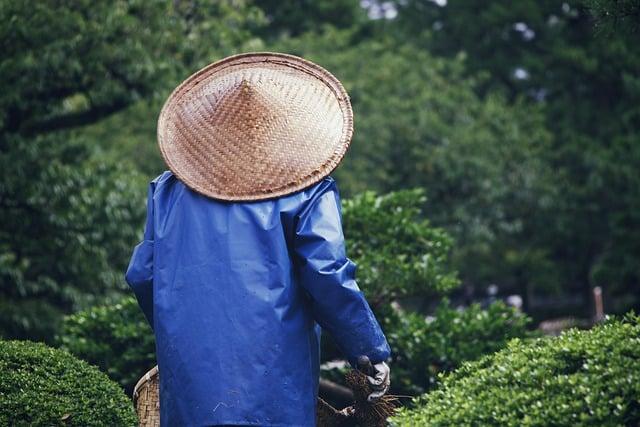


As the golden years unfold, many find themselves seeking a new rhythm, a gentle pace that allows them to savor each moment. Retirement, often anticipated as a time of rest and reflection, can also become a chapter of vibrant discovery. Imagine stepping into a world where time slows, worries fade, and every sunrise brings with it the promise of growth and renewal. Welcome to the garden—a sanctuary of tranquility and a wellspring of health. Here, amidst the whispering leaves and fragrant blooms, lies a secret waiting to be unearthed: the surprising health benefits of gardening in retirement. More than just a hobby, gardening is a nurturing embrace, offering solace for the mind, strength for the body, and joy for the spirit. As we delve into this verdant world, we uncover how the simple act of tending to the earth can transform the autumn of life into a season of flourishing vitality.
Cultivating Wellness Beyond the Flower Beds
In the golden years of retirement, many individuals seek activities that not only fill their days but enrich their lives. Gardening, often viewed as a simple pastime, unveils a treasure trove of health benefits that extend far beyond the colorful blooms and verdant foliage. It becomes a sanctuary of serenity and a source of vibrant well-being. Imagine the soothing rhythm of your hands in the soil, nurturing both plants and your soul. This quiet connection with nature offers a meditative escape, reducing stress and anxiety, while fostering a profound sense of purpose.
Beyond its calming effects, gardening provides an opportunity to maintain physical health in a gentle yet effective manner. Here are some surprising benefits:
- Cardiovascular Health: Engaging in gardening tasks such as digging, planting, and weeding can serve as a low-impact workout, enhancing heart health and improving overall fitness.
- Joint Flexibility: The varied movements involved help maintain joint flexibility and reduce stiffness, making it an ideal activity for those with arthritis.
- Vitamin D Boost: Spending time in the sun while tending to your plants increases Vitamin D levels, essential for bone health and immune function.
- Enhanced Mood: The simple act of caring for plants has been linked to increased levels of serotonin, the happiness hormone, leading to improved mood and mental health.
Embracing the art of gardening in retirement offers a path to a healthier, more fulfilling life, where each seed sown and bloom admired contributes to a legacy of well-being.

Rooting for Mental Health and Happiness
In the golden years of retirement, many individuals find solace and joy in the simple act of tending to a garden. This hobby not only nurtures plants but also cultivates a sense of well-being and happiness. Gardening is a therapeutic activity that can significantly enhance mental health by reducing stress and anxiety. Immersing oneself in the rhythmic tasks of planting, watering, and weeding provides a calming effect, akin to meditation. As retirees engage with nature, they experience a profound connection to the earth, which fosters mindfulness and peace.
- Physical Exercise: Gardening involves a range of movements that improve strength, flexibility, and endurance.
- Sense of Achievement: Watching seeds grow into flourishing plants provides a tangible sense of accomplishment.
- Social Interaction: Community gardens offer opportunities for socializing and building friendships.
- Creative Expression: Designing a garden allows for artistic expression and personal satisfaction.
Through the therapeutic power of gardening, retirees can find a renewed sense of purpose and joy, leading to a healthier, happier life.
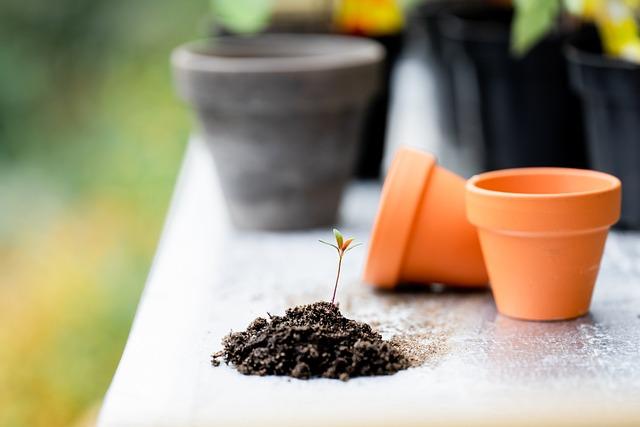
Nurturing Physical Strength with Every Planting
Engaging in gardening activities can be a wonderful way to cultivate physical strength, especially during retirement. As you tend to your garden, you engage in a variety of physical movements that contribute to your overall well-being. From digging and planting to weeding and watering, each task provides an opportunity to enhance your physical fitness without the monotony of a typical workout routine. The repetitive actions of bending, stretching, and lifting not only improve muscle tone but also help maintain flexibility and balance, which are crucial as we age.
Moreover, the act of gardening offers a low-impact form of exercise that is gentle on the joints while still providing the cardiovascular benefits of moderate physical activity. Consider the following ways gardening nurtures physical strength:
- Increased Endurance: Regularly spending time in the garden can gradually build stamina, making daily activities easier and more enjoyable.
- Enhanced Coordination: The varied movements involved in gardening improve hand-eye coordination and fine motor skills.
- Weight Management: The physical effort required in gardening helps burn calories, contributing to a healthy weight.
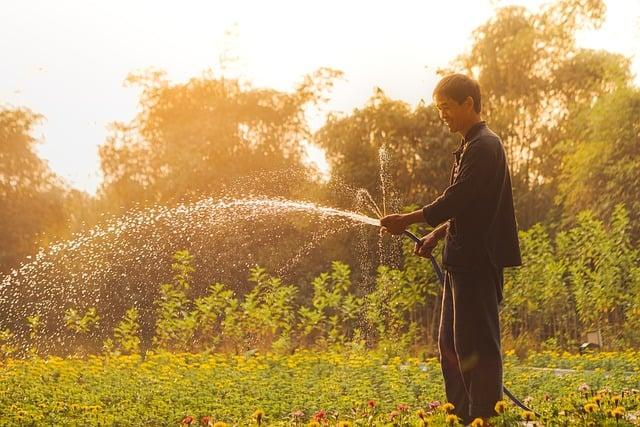
Growing Connections: Social Benefits of a Shared Passion
Gardening isn’t just about nurturing plants; it’s about cultivating relationships and building a sense of community. For retirees, it provides a wonderful opportunity to connect with others who share the same passion. This shared interest can lead to forming meaningful friendships and a support network, which are essential for emotional well-being. In garden clubs or community gardens, retirees often find themselves surrounded by like-minded individuals, eager to exchange tips, share seeds, and celebrate each other’s successes.
- Engaging in community gardening projects can foster a sense of belonging.
- Collaborative gardening activities encourage teamwork and communication.
- Sharing gardening experiences can lead to lasting friendships.
- Group gardening events offer opportunities for learning and growth.
In these settings, the joy of a shared passion extends beyond the garden. It can turn casual acquaintances into lifelong friends, all while enjoying the therapeutic benefits of tending to nature. The laughter, shared stories, and mutual encouragement create a vibrant social tapestry that enriches the lives of everyone involved, making retirement a time of both personal and communal flourishing.